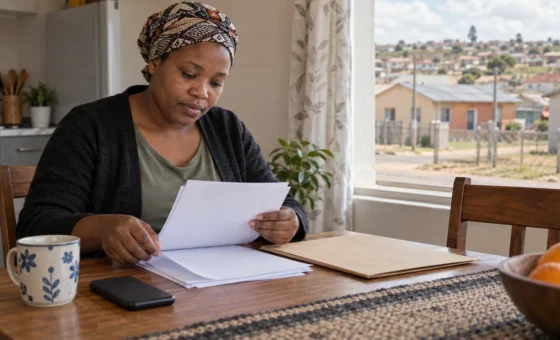
Check which municipality or province recorded your housing need, because your surname does not confirm that the details are current. The next page shows the official programme information and what to ask your housing office.
You stay on this website. No payment required.
What an RDP housing record means
RDP is a common name for government-subsidised housing. The national Department of Human Settlements says the programme provides qualifying beneficiaries with a fully built house, while municipal charges such as water, electricity or other service surcharges can still apply. That is why it helps to separate the housing opportunity from later household bills.
On this page
A waiting-list record is also not always the same thing as a completed subsidy application. In a 2024 parliamentary reply, the department described a person whose need was recorded on the National Housing Needs Register but who did not have a subsidy application registered on the Housing Subsidy System. Ask which type of record the official is checking.
Why an old application is worth checking
If you or a family member registered years ago, contact details, household details or the area linked to the record may no longer be right. A current phone number matters because a housing office may need to contact the person who registered. Take the ID details used at registration and any old receipt, reference number or letter you still have.
Do not rely on a message promising a house for a fee or a guaranteed position. A proper enquiry is about your own record: where it was registered, whether it can be found, whether details need updating and what the local process is. Keep notes of the office, date and reference given during the enquiry.
Questions to take to the housing office
- Record location Ask whether your housing need appears in the municipality or provincial register where you applied.
- Record type Ask whether the office sees a housing-needs record, a subsidy application, or both.
- Details Ask which contact or household details can be updated and what proof is needed.
- Next step Ask which office handles follow-up for the area where you registered.
Avoid confusion and scams
No article can confirm an individual allocation or move a person ahead of another applicant. Use official offices and official programme information, not social-media offers or people asking for payment to ‘release’ a record. If an answer is unclear, ask the official to explain the record type and the next local step in plain language.
The guide on the next page gives you a simple checklist before you make the enquiry. It also explains why a number on a record should not be treated as a guaranteed delivery date. Being prepared can make one visit or call more useful.
Frequently asked questions
Does a housing record mean I have been approved?
No. A record can show that a housing need was registered, but it does not by itself prove that a subsidy was approved or that a unit has been allocated. Confirm the record type with the office that holds it.
Can I check an old registration using only my surname?
Your surname may help an official search, but take the ID details and any reference or receipt you have. Ask the office what information it needs to locate the record safely.
Should I pay someone to check an RDP record?
Be careful with any request for payment or a guaranteed result. Use the official housing route and ask for clear information about the enquiry, your record and any local follow-up.