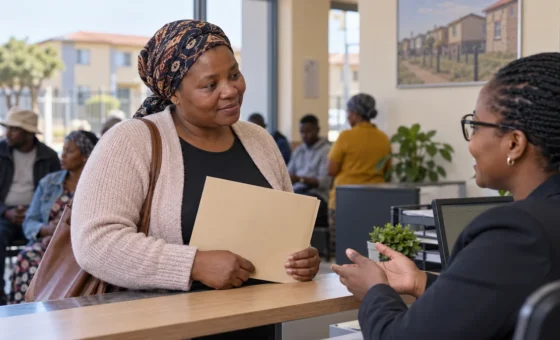
If you applied for a housing subsidy in the past and have not received clear information, begin by returning to the office where you made that application. The Department of Human Settlements advises applicants to follow up there because the office has the file and can talk about progress and any outstanding documents in it.
A follow-up is about checking the record, not assuming an outcome. You may want to know whether the file shows progress, whether the office needs anything further, or whether your contact details should be updated. Keeping the purpose narrow makes it easier to ask useful questions and understand the answer you receive.
On this page
Before you go, take a moment to write down the year or period when you applied, the place where you applied, and any details you remember about the application. This personal note is not a substitute for the office file; it simply helps you explain which application you are asking about and keeps the conversation focused.
When you speak to the office, say that you are following up on a previous housing-subsidy application. Ask whether they can talk to you about the progress shown in the file and whether there are outstanding documents in it. Avoid relying on anyone who claims they can guarantee a result without access to the official file.
The Department's FAQ also notes that this type of follow-up includes updating your contact details. If your phone number, address, or other way of being reached has changed since you applied, raise that point during the visit. Ask the office what information it can record or update for your file.
You will leave for an external site. Official portal. Free access.
Prepare a short follow-up note
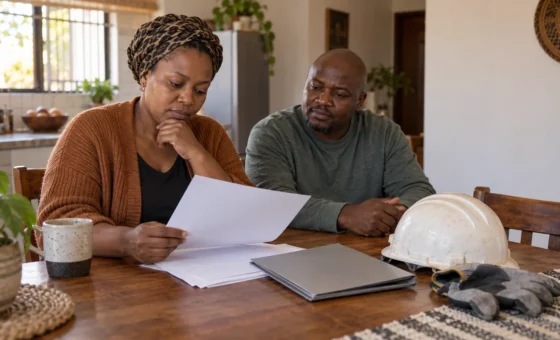
Preparation does not need to be complicated. Make a brief note with the information you can remember about your own application. The goal is to describe the application clearly when you arrive, then listen carefully to what the office says is recorded. Do not add details you are unsure about; it is better to ask the office to check the file than to guess.
- Original office Note the office where you made the application, because the Department recommends starting there.
- Application timeframe Write down the approximate date or period you applied, if you remember it.
- Your questions List the points you need answered: progress, outstanding documents, and contact details.
- A record of the reply Bring a way to note the information and any next action explained by the office.
Ask about the information in your file
Start the conversation with one direct request: you would like to follow up on the previous application at the office where it was submitted. Then ask whether the file has progress information and whether there are outstanding documents. This follows the Department's published guidance and avoids turning the visit into a search for unconfirmed promises.
Listen for specific information rather than broad assurances. If the office explains an outstanding item, ask them to repeat what they mean and what action they expect from you. If the response is that the file has no new information, note that too. A factual record of the conversation is more useful than trying to interpret an uncertain answer later.
Update details and record the next step
If your contact details have changed, mention this as part of the follow-up. The Department says that following up at the original office includes updating contact details. Ask what detail the office needs from you and make a note of what was updated or what you were asked to do. This keeps your next contact with the office organised.
- Repeat the response Briefly repeat back the progress or outstanding-document information you heard, so you can confirm your understanding.
- Confirm contact details Ask whether the details on the file need to be updated and what the office can record.
- Write down next actions Record any action the office explains, using the office's wording where possible.
- Keep the official source Save the Department FAQ as a reference for the official follow-up guidance.
Avoid assumptions about the outcome
An old application alone does not confirm that a housing allocation exists. The useful next step is to ask the original office about the information in the file. Keep any claim about progress tied to what that office tells you, and do not pay someone who says they can change or guarantee an outcome outside the official process.
If you leave with a next action, follow the instruction given by the office and retain your own notes. If you do not get a clear answer, you can return to the same starting point: the office where the application was made. That is the Department's recommended place to ask about the file, progress, outstanding documents, and contact details.
Use the official FAQ for the Department's wording, and treat this guide as practical preparation for your follow-up. It cannot view your application or tell you whether an allocation is pending. Only the office holding the file can discuss the progress and outstanding documents recorded for that application.
Frequently asked questions
Where should I ask about an old housing-subsidy application?
Follow up at the office where you made the application. The Department of Human Settlements says that office has your file and can talk to you about progress and outstanding documents.
Can the office tell me whether documents are outstanding?
The Department's FAQ says the office where the application was made can talk to you about progress and any outstanding documents in your file.
Can I change my contact details when I follow up?
Yes. The Department states that following up at the office where you applied also includes updating your contact details.
Does a past application prove that a house is waiting for me?
No. A past application is a reason to follow up on the file, but it does not by itself confirm an allocation or any particular result.