DIY Vertical Garden Ideas For Small Spaces That Save Room And Look Great
Ever wondered how to turn a cramped balcony or small corner into a green oasis? DIY vertical garden ideas for small spaces offer clever solutions for those tight spots we often overlook. It’s surprising how a vertical touch can revolutionize your living area.
With urban living on the rise, finding room for plants isn’t always easy. The good news? You don’t need acres of land to enjoy fresh greenery around you. Vertical gardens adapt perfectly to small spaces, bringing life and freshness upward instead of outward.
In this guide, you’ll discover practical ideas and real tips to build and maintain your own vertical garden, no matter the size of your space. Ready to bring your walls to life? Let’s dive in and explore options that save room and charm your home.
Choosing the right plants for small vertical gardens
Choosing the right plants for small vertical gardens is essential to ensure a thriving and visually appealing green space that fits your environment. Not all plants are suited for vertical gardening, especially in tight spaces, so focusing on varieties that adapt well to vertical growth and limited root space is important.
Consider Light Conditions
Plants have different light needs. Before selecting species, assess how much sunlight your vertical garden will receive daily. For low-light areas, opt for plants like:
- Pothos (Epipremnum aureum) – A hardy vine that thrives in shade and requires minimal care.
- ZZ Plant (Zamioculcas zamiifolia) – Known for drought tolerance and low light adaptability.
- Ferns (such as Boston fern) – Prefer indirect light and add lush greenery.
For bright, sunny spots, consider:
- Succulents (e.g., Echeveria, Sedum) – Require minimal water and love sun exposure.
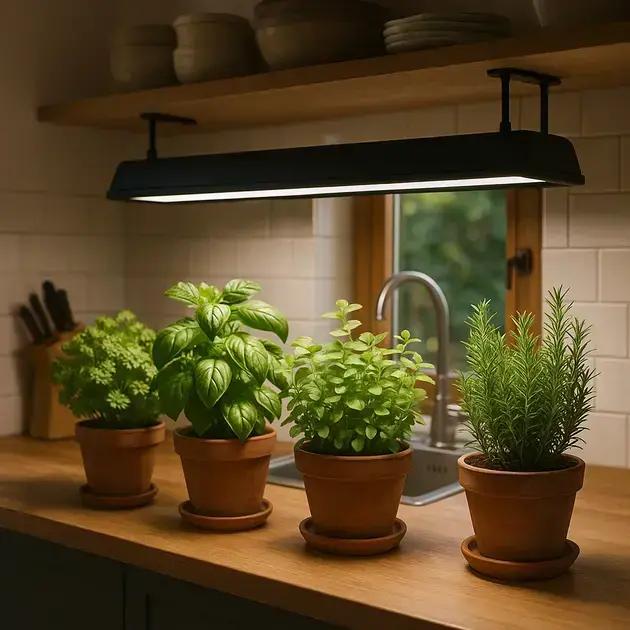
- Herbs (such as basil, thyme, or rosemary) – Great for kitchen gardens and enjoy sun.
- Spider Plant (Chlorophytum comosum) – Tolerant of sun and air pollutants.
Choose Plants with Compact Growth
Small spaces demand plants that don’t spread excessively. Opt for species that grow vertically, climb, or stay compact:
- English Ivy (Hedera helix) – A climbing plant perfect for vertical coverage.
- Succulents with upright growth habits – These save space and add unique textures.
- Ornamental grasses – Many types grow tall but narrow, fitting well vertically.
Easy-Care Plants for Beginners
Low maintenance plants reduce the stress of daily care, especially in busy lifestyles.
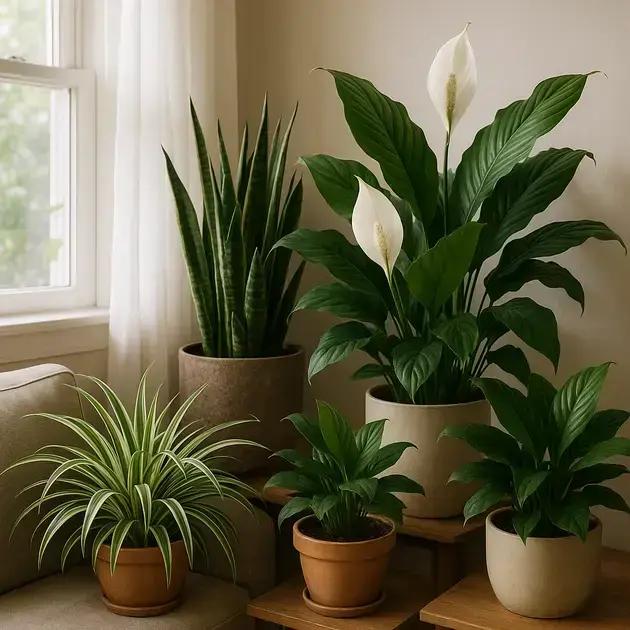
- Snake Plant (Sansevieria trifasciata) – Requires minimal watering and thrives in indirect light.
- Philodendron varieties – Adapt well to vertical planters and low light.
- Herbs like mint and parsley – Grow quickly and are useful in cooking.
By selecting plants based on light, size, and care requirements, your vertical garden can become a sustainable and beautiful feature. Experimenting with plant combinations can also create a dynamic visual effect while meeting space constraints.
Pro tip: Consider plants with varying textures and colors to add depth and interest to your vertical garden.
Creative DIY structures that fit tight spaces
Creative DIY structures can transform even the smallest spaces into vibrant vertical gardens. When space is limited, using smart, compact designs allows you to maximize greenery without crowding your living area.
Materials for DIY Vertical Garden Structures
Start by selecting lightweight, durable materials that fit your style and space constraints:
- Wooden pallets: Easily repurposed and customizable, great for a rustic look.
- Metal grids or wire mesh: Provide strong support for climbing plants and allow air circulation.
- Plastic pocket planters: Lightweight and often modular, perfect for small walls or balconies.
- PVC pipes: Can be cut and arranged to create unique plant holders and watering systems.
- Old crates or shelves: Can be stacked or mounted to create multi-level planting areas.
Building Step-by-Step Compact Vertical Garden Structures
- Measure your available wall or balcony space carefully, noting any obstacles like windows or vents.
- Choose your structure type (e.g., pallet, grid, shelves) based on available space and desired plant arrangement.
- Prepare the materials by sanding wood, cutting metal mesh, or cleaning crates for safety and aesthetics.
- Attach hooks, nails, or brackets securely to your wall or support frame, ensuring they can hold the plant containers’ weight.
- Arrange your planters or pots on the structure, considering plant size and light preferences to optimize growth.
- Install a simple drip irrigation system or water manually, depending on your setup and plant needs.
Examples of Space-Saving DIY Vertical Gardens
Hanging shoe organizers repurposed as planters provide numerous small pockets for herbs and succulents. This solution utilizes vertical height while keeping plants easily accessible.
Another clever idea is a ladder-style shelf leaned against a wall, allowing pots on each step to maximize space and create a tiered garden effect.
For very tight areas, wall-mounted pocket planters made from felt or plastic allow multiple plants to grow in a compact, organized manner.
Maintenance Tips for DIY Structures
- Regularly check the stability of your vertical garden to avoid accidents or damage.
- Use lightweight pots and containers to reduce strain on the support structure.
- Clean and repaint wooden materials annually to protect them from weathering.
- Ensure proper drainage to avoid water damage to your walls and plants.
Adopting these creative structures not only saves space but also adds a personal and stylish touch to your home or balcony garden.
Maintenance tips to keep your vertical garden thriving
Maintaining a vertical garden requires consistent attention to keep plants healthy and vibrant. Proper care ensures that your garden remains an attractive, thriving feature in your small space.
Watering Techniques
Vertical gardens can dry out faster than traditional gardens because of their exposure and soil volume. Use these tips to maintain proper hydration:
- Check moisture levels daily by touching the soil to prevent under or overwatering.
- Install a simple drip irrigation system to deliver consistent water without excess runoff.
- Water early in the morning or late in the afternoon to reduce evaporation.
Pruning and Plant Care
Regular pruning helps control plant growth and encourages healthy development:
- Remove dead or yellowing leaves to improve air circulation and reduce disease risk.
- Trim overgrown plants to maintain shape and prevent crowding.
- Check plants weekly for pests like aphids or spider mites and treat promptly with natural insecticides if needed.
Fertilizing Your Vertical Garden
Plants in vertical gardens often have limited soil, so nutrients can deplete quickly:
- Use a balanced, water-soluble fertilizer every 4-6 weeks during the growing season.
- Choose organic options like compost tea or fish emulsion to promote soil health.
- Follow the recommended dosage to avoid fertilizer burn.
Ensuring Proper Lighting
Plants need the right amount of light to thrive:
- Rotate plants periodically if some receive less natural light to ensure even growth.
- Use grow lights designed for indoor plants if natural light is insufficient.
Additional Maintenance Tips
- Inspect your vertical garden’s structure regularly for stability and repair any loose or damaged parts.
- Replace plants that struggle or fail to thrive with more suitable species.
- Clean containers and remove debris to prevent mold and bacteria buildup.
Adopting these maintenance practices will help your vertical garden thrive, providing lush greenery even in small spaces.
Maximizing limited light and space in vertical gardening
Maximizing limited light and space is crucial for the success of vertical gardens, especially in small areas like apartments or shaded balconies. Understanding how to work with your environment can help your plants flourish even in less-than-ideal conditions.
Optimizing Light Exposure
Many small spaces receive limited natural light, but there are ways to make the most of what you have:
- Place your vertical garden on walls that receive the most sunlight, usually south-facing in the northern hemisphere.
- Incorporate reflective surfaces such as white walls or mirrors near plants to amplify available light.
- Use grow lights with adjustable timers as supplements when natural light is insufficient, ensuring plants get 10-14 hours of light daily.
Choosing Light-Tolerant Plants
Focus on plants that thrive in low to medium light to reduce stress and maintenance:
- Snake Plant (Sansevieria trifasciata) – Very tolerant of low light and requires minimal water.
- Spider Plant (Chlorophytum comosum) – Adapts well to varying light levels and is easy to care for.
- Philodendron – Prefers indirect light and grows well vertically.
- Pothos (Epipremnum aureum) – Hardy vine suited for shaded areas.
Maximizing Space Effectively
Effective space management ensures your vertical garden fits neatly and thrives:
- Use slim, modular planters that stack or hang to minimize footprint.
- Employ tiered shelving or structures that allow multiple layers of plants.
- Grow trailing or climbing plants to utilize vertical surfaces fully.
- Combine herbs and decorative plants to utilize space for both utility and aesthetics.
Practical Tips for Small Spaces
- Rotate plants periodically to ensure even light exposure.
- Choose lightweight containers to lessen strain on walls or supports.
- Monitor humidity levels closely as small, enclosed spaces may dry out faster.
- Use soil mixtures designed for compact planters to improve drainage and nutrient retention.
By carefully planning and selecting the right plants and tools, you can turn even the darkest and tightest spots into lush, thriving vertical gardens.
FAQ – Common Questions About DIY Vertical Gardens for Small Spaces
What are the best plants for low-light vertical gardens?
Plants like Snake Plant, Spider Plant, Philodendron, and Pothos thrive well in low-light conditions and are ideal for small vertical gardens.
How often should I water my vertical garden?
Water your vertical garden based on the moisture level of the soil, usually checking daily. Most plants need watering once or twice a week, but it varies depending on the plant type and environment.
Can I use grow lights for my vertical garden?
Yes, grow lights are a great way to supplement natural light in spaces with limited sunlight. They help plants get the light they need to grow healthy and strong.
What materials can I use for DIY vertical garden structures?
Common materials include wooden pallets, metal grids, plastic pocket planters, PVC pipes, and old crates or shelves. Choose lightweight and durable materials suitable for your space.
How do I prevent pests in my vertical garden?
Regularly inspect plants for pests like aphids or spider mites. Use natural insecticides or remove affected leaves promptly. Good air circulation and proper pruning also help prevent pests.
How can I maximize space in a small vertical garden?
Use slim modular planters, tiered shelving, and grow trailing or climbing plants to utilize vertical space efficiently. Rotating plants and combining herbs with decorative plants also helps optimize the area.